Deepthi Sharma Becomes WPL's Second Most Expensive Player as UP Warriors Bid ₹3.2 Crore
 Nov, 27 2025
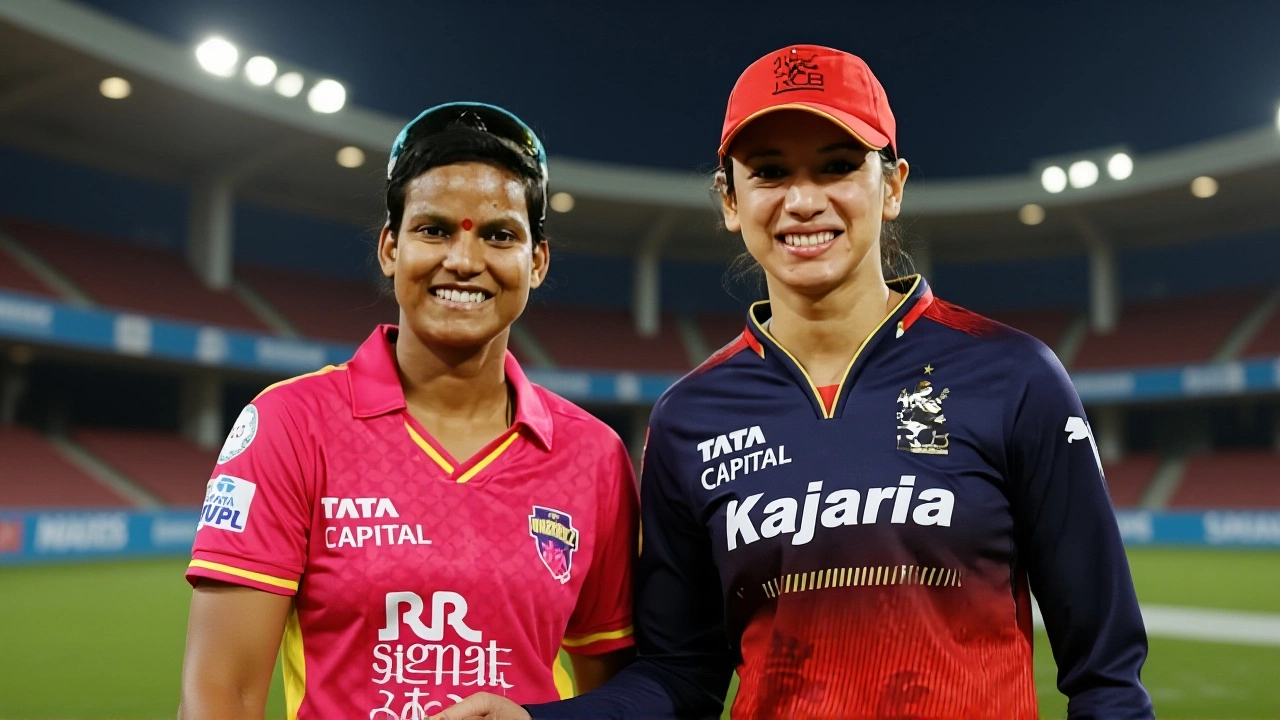
The Women's Premier League 2026 mega auction sent shockwaves through Indian cricket on November 27, 2025, when the UP Warriors stunned the league by securing Deepthi Sharma for a staggering ₹3.20 crore. The all-rounder, already a star of the Indian women’s cricket team, became the second-most expensive player in WPL history, just ₹20 lakh behind Smriti Mandhana, who was bought by Royal Challengers Bangalore for ₹3.4 crore in 2023. What made this bid even more dramatic? UP Warriors used their Right to Match (RTM) card at the final second, snatching her away from Delhi Capitals who had already bid ₹3.15 crore. The crowd in New Delhi erupted — and so did social media. This wasn’t just a purchase. It was a statement.
Why Deepthi Sharma? The Rise of a Complete Player
Deepthi Sharma’s value didn’t explode overnight. Her journey from a promising all-rounder to the WPL’s most sought-after player was built on grit. In 2023, UP Warriors bought her for ₹2.6 crore. Back then, she was known for her aggressive lower-order batting and fiery spin. But 2025 changed everything. She was named Player of the Tournament at the ICC Women’s Cricket World Cup, leading India’s bowling attack with 16 wickets and scoring crucial cameos under pressure. Suddenly, teams saw her not just as a bowler who could bat, but as a match-winner who could carry a team in crunch moments.Her base price? ₹50 lakh. What followed was a bidding war that lasted nearly seven minutes. Delhi Capitals pushed hard — they wanted her back. But UP Warriors, with a purse of ₹14.5 crore, weren’t playing it safe. They knew her leadership, her fielding, her ability to break partnerships — these weren’t stats. They were intangibles that win titles. When the auctioneer’s hammer fell, the number — ₹3.20 crore — echoed across the venue. She didn’t just break her own record. She rewrote the rules of what an all-rounder is worth.
UP Warriors’ Bold Strategy: Building a Title-Contending Core
This wasn’t just about Deepthi. It was about ambition. UP Warriors didn’t just buy one star — they built a spine. Alongside Deepthi, they secured Meg Lanning for ₹1.9 crore, Asha Sobhana for ₹1.1 crore, and Fobeh Lichfield for ₹1.2 crore. Even their RTM pick, Kranti Gaud, was a proven domestic performer. The team now has three international captains (Lanning, Deepthi, and Sobhana) and a bowling attack that can dismantle any batting lineup. Their total spend? ₹10.3 crore — nearly 70% of their purse. They didn’t just draft a team. They assembled a dynasty-in-the-making.Compare that to Delhi Capitals, who walked away empty-handed despite their aggressive bid. The irony? They could’ve kept Deepthi. But they didn’t use their RTM. Now, they’re left wondering what could’ve been — while UP Warriors celebrate the quiet confidence of a franchise that knows exactly what it wants.
Stars Who Got Away: Alice Capsey, Amelia Kerr, and the Unsold List
Not every big name found a home. The biggest shock? Ellyse Perry — Australia’s captain and one of the most complete players in women’s cricket — remained unsold despite a ₹50 lakh base price. Her absence was felt. So was that of Amelia Kerr, New Zealand’s all-rounder, who had been expected to fetch over ₹2.5 crore. Instead, she slipped through the cracks. Even Uma Chetry, India’s World Cup-winning wicketkeeper, went unsold. Teams seemed to prioritize proven WPL performers over international stars with unproven adaptability.Meanwhile, Sophie Devine of New Zealand found a home with Gujarat Giants for ₹2 crore — a smart, calculated move. And Aruna Reddy returned to Royal Challengers Bangalore for ₹75 lakh. The message? WPL teams are betting on consistency, not just fame.
The Bigger Picture: WPL Is No Longer a Side Show
This auction wasn’t just about money. It was about legitimacy. ₹3.2 crore for a woman cricketer? That’s more than what many men’s T20 franchises paid for fringe players just five years ago. The WPL’s growth is no longer linear — it’s exponential. With broadcasters paying record rights fees and sponsors lining up, the league is fast becoming a career-defining platform for women cricketers. Deepthi’s sale signals something deeper: Indian teams now see their female players not as promotional assets, but as core revenue drivers.Compare this to 2023, when the highest bid was ₹3.4 crore. Now, four players are tied at ₹3.2 crore. The ceiling isn’t just rising — it’s being shattered. And with the next auction in 2028 likely to surpass ₹4 crore, the financial future of women’s cricket in India looks brighter than ever.
What’s Next for Deepthi Sharma and UP Warriors?
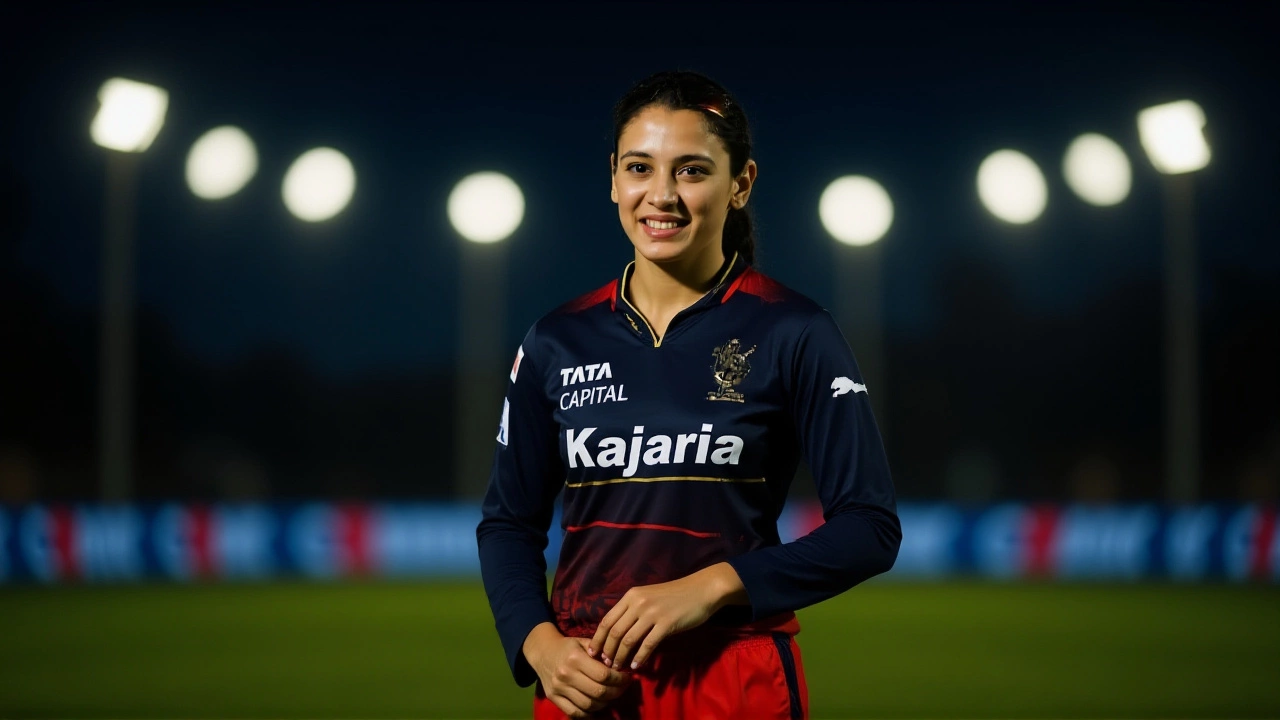
With the squad locked in, all eyes turn to the season opener in March 2026. UP Warriors will be favorites — but so will Mumbai Indians, who just acquired Amelia Kerr for ₹3 crore. The league now has two true powerhouses. Deepthi, for her part, says she’s “just happy to be back home.” But behind that smile? There’s fire. She’s not just playing for a team anymore. She’s playing to prove that a woman’s worth isn’t measured by her gender — but by her impact.Frequently Asked Questions
How does Deepthi Sharma’s ₹3.2 crore sale compare to men’s IPL prices?
Deepthi Sharma’s ₹3.2 crore price tag is now higher than what 15+ male IPL players fetched in the 2024 auction, including several established Indian internationals. Only 11 men’s players in IPL 2024 were sold above ₹3 crore, and most were proven T20 franchise stalwarts. Her value rivals top-tier overseas stars, signaling that women’s cricket is closing the financial gap at an unprecedented pace.
Why did Ellyse Perry go unsold despite her global reputation?
Teams were wary of Perry’s recent injury history and her limited T20 experience in Indian conditions. While she’s a legend, her batting style is more suited to powerplay dominance — a role already filled by players like Meg Lanning. With only five overseas slots per team, franchises prioritized all-rounders who could contribute in middle overs and spin-friendly pitches — areas where Deepthi and Sophie Devine excelled.
What impact will this have on future women’s cricket contracts in India?
This auction sets a new benchmark. The BCCI is expected to revise its central contracts for women cricketers, possibly introducing tiered pay scales that reflect WPL valuations. Players like Harmanpreet Kaur and Jemimah Rodrigues could soon see their domestic pay rise significantly. For grassroots talent, this signals that consistent performance can lead to life-changing earnings — not just medals.
Why did UP Warriors spend so heavily on their squad?
UP Warriors finished last in WPL 2025 and lost key players to other franchises. This auction was a reset. By investing in proven performers like Lanning and Deepthi — and pairing them with emerging Indian talent — they’re building a team that can win both on the field and in the boardroom. Their strategy mirrors the Chennai Super Kings’ model: loyalty, depth, and leadership over flashy signings.
Who else made history in the WPL 2026 auction?
Amelia Kerr became the first New Zealander to be bought for ₹3 crore in WPL history. Asha Sobhana, an Indian spinner with no international caps, became the most expensive uncapped Indian player ever, fetching ₹1.1 crore. And for the first time, two Indian women — Deepthi Sharma and Asha Sobhana — were among the top five most expensive players, highlighting the league’s growing focus on homegrown talent.
Will WPL 2028 see a ₹4 crore player?
Almost certainly. With global sponsors like Nike and Dream11 expanding their women’s cricket investments, and broadcasters negotiating multi-year deals, the WPL’s revenue is projected to double by 2028. A player who delivers in two consecutive tournaments — like a peak Harmanpreet Kaur or a rising star like Jemimah Rodrigues — could easily command ₹4 crore. The ceiling isn’t a limit anymore. It’s just the next milestone.