Akhilesh Yadav: UP SP Victory Will Topple Central BJP Govt
 May, 27 2026
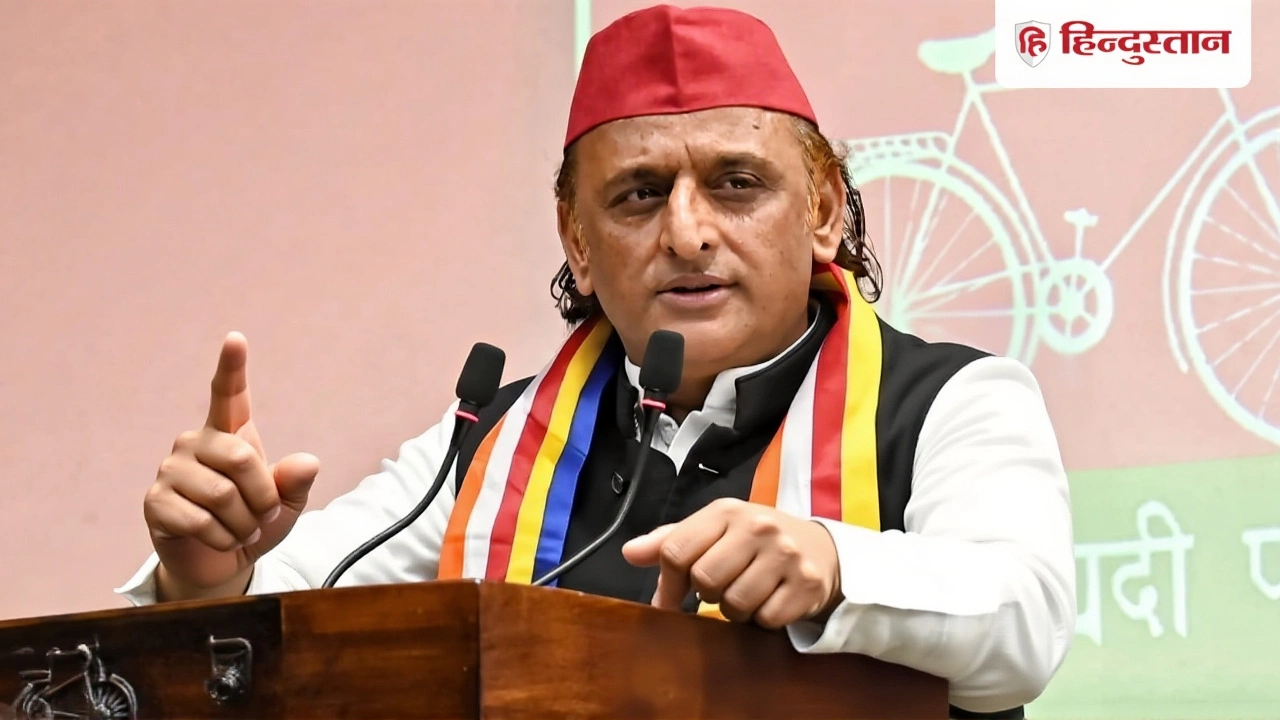
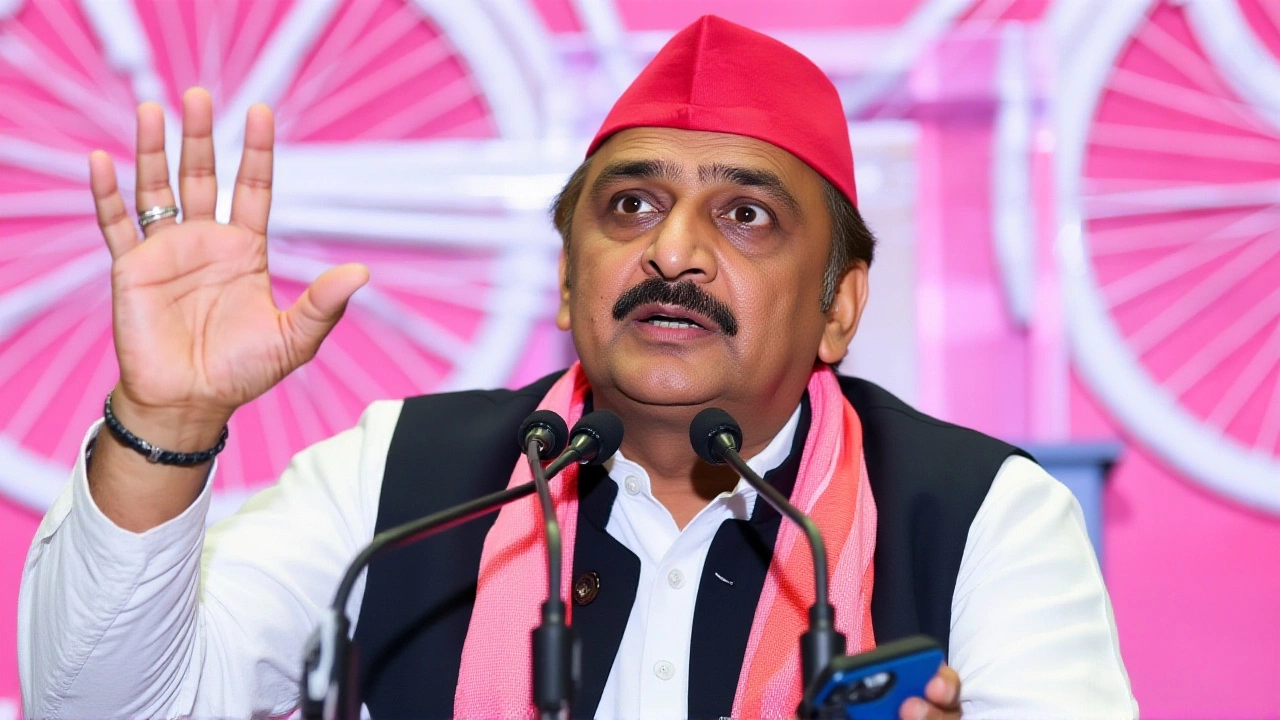
When Akhilesh Yadav, President of the Samajwadi Party, claimed that a victory in Uttar Pradesh would immediately topple the central government, he wasn't just making another campaign promise. He was drawing a direct line between state politics and national stability.
The statement, made during a recent press interaction, echoed a growing narrative among opposition leaders: that the political fate of Prime Minister Narendra Modi’s administration is tethered to the outcomes in India’s most populous state. But wait—this isn’t just about numbers. It’s about perception, economic anxiety, and a calculated political strategy for the 2027 elections.
The "Delhi Falls" Narrative
Here’s the thing: Akhilesh didn’t mince words. Responding to questions about Rahul Gandhi’s earlier assertion that "Modi will go," Akhilesh added his own twist. "As soon as the Samajwadi Party forms a government in UP, Delhi will fall," he said, explicitly referring to the central government led by the Bharatiya Janata Party (BJP).
This rhetoric connects two major political arenas. Uttar Pradesh holds 80 seats in the Lok Sabha, roughly one-fifth of the total. While losing them wouldn’t automatically collapse a majority government, it would signal a massive shift in voter sentiment. For the opposition, winning UP is seen as the first domino in a chain reaction that could destabilize the BJP’s hold on power nationally.
Economic Grievances: From Tea to Dollars
But the claim rests on more than just seat arithmetic. Akhilesh grounded his argument in daily struggles. He accused the central government of promoting a "fake economy," paralleling allegations of "fake encounters" often leveled against the ruling party.
"As the dollar goes up, tea becomes more expensive, and this directly affects the common people," he stated. This analogy cuts through complex macroeconomic jargon. It links global currency fluctuations to the morning cup of chai—a staple for millions. With petrol prices in New Delhi hovering around ₹94.77 per litre and diesel at ₹87.67, the cost of living crisis is palpable. Akhilesh argues these aren’t isolated incidents but symptoms of a broader policy failure.
Beyond Economics: Social and Infrastructure Issues
The criticism extends beyond inflation. In reports from National Prestige and other outlets, Akhilesh highlighted several key grievances:
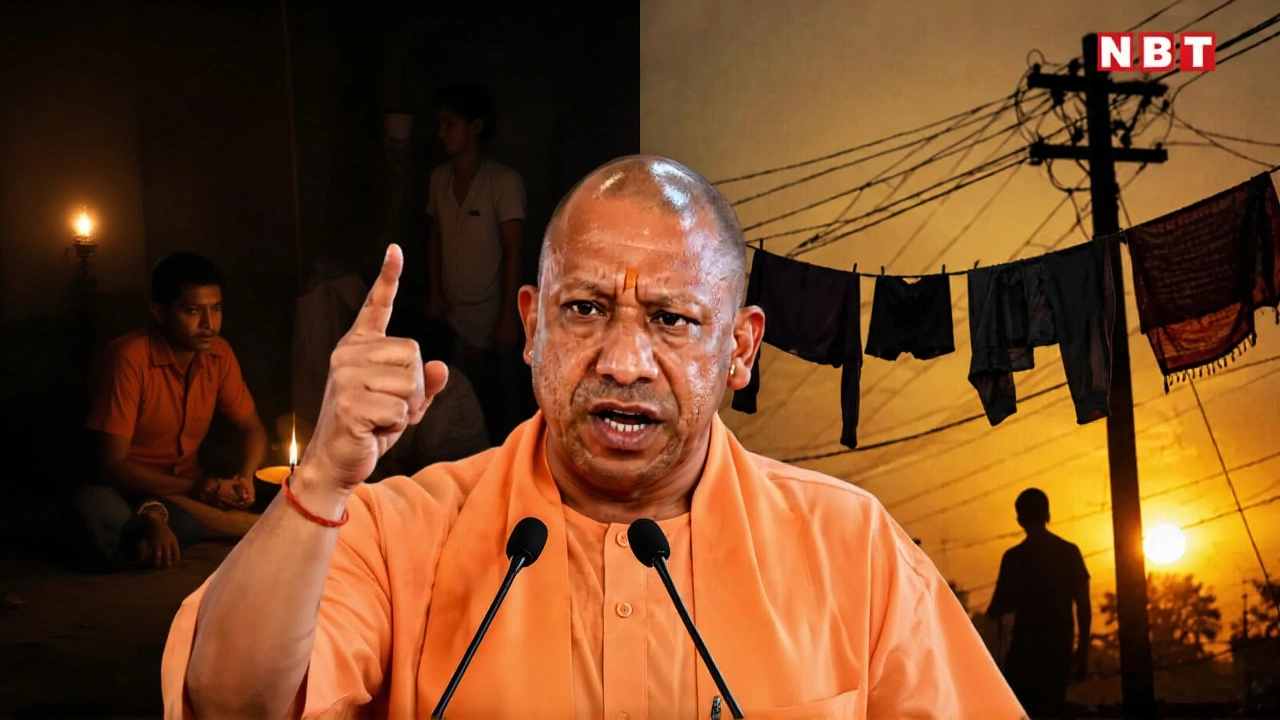
- Power Crisis: Allegations of inadequate electricity supply affecting households and industries.
- Social Justice: Claims of atrocities against specific social groups, referred to in some reports as "PDA society" issues.
- Law and Order: Continued accusations regarding extrajudicial actions or "fake encounters."
By bundling these issues together, Akhilesh attempts to paint a picture of systemic neglect under the current administration. The message is clear: if the center can’t manage basic services and social harmony, how can it claim competence?
The 2027 Horizon
Turns out, this isn’t just about the next few months. A YouTube video titled "Safai in 2027!" featuring Akhilesh’s speech suggests a longer-term roadmap. The term "safai" implies a thorough cleaning or clearance, hinting at a complete political overhaul by the year 2027.
This timeline aligns with potential state assembly elections in Uttar Pradesh and subsequent general elections. By setting 2027 as a target date, Akhilesh is preparing the ground for a sustained campaign. It’s a psychological play, keeping the opposition’s momentum high while putting pressure on the BJP to deliver results before then.
Expert Context and Political Reality
While the rhetoric is bold, political analysts caution against oversimplification. The BJP has maintained strong support in rural UP despite urban dissent. However, the opposition’s unified stance—linking state victories to national consequences—is a strategic move to consolidate anti-incumbency votes.
The real impact lies in voter psychology. If citizens believe that voting for the SP in UP is equivalent to voting out the central government, turnout and coalition dynamics could shift dramatically. This mirrors trends seen in previous election cycles where regional parties leveraged local issues to challenge national narratives.
Frequently Asked Questions
Why does Akhilesh Yadav link UP politics to the central government?
Uttar Pradesh is India's largest state by population and contributes significantly to the Lok Sabha. Opposition leaders argue that a decisive defeat there would undermine the BJP's mandate and signal widespread dissatisfaction with central policies, potentially weakening their parliamentary majority.
What does Akhilesh mean by "fake economy"?
He uses this term to criticize official economic growth figures, arguing they don't reflect the reality of rising inflation, fuel prices, and unemployment. He draws a parallel to allegations of "fake encounters," suggesting both are tools used to create a false narrative of success.
How do fuel prices factor into this political debate?
With petrol near ₹95/litre and diesel at ₹87.67/litre in New Delhi, high fuel costs drive up transportation and food prices. Akhilesh highlights this to show how global factors like the dollar's value directly impact daily life, blaming central policy for failing to shield consumers.
What is the significance of the year 2027?
The reference to 2027 likely points to upcoming state assembly elections in Uttar Pradesh and subsequent general elections. Akhilesh appears to be framing a long-term strategy where winning UP is the first step toward a broader national political change by that year.